The Humane Agentic Enterprise: How To Thrive with AI at Work
Salesforce researchers are studying how knowledge workers use AI to expand capabilities while preserving human expertise, according to Salesforce Blog. The goal is to help people thrive with AI, enabling creativity and expert judgment.
Original reporting · salesforce.com
Read “The Humane Agentic Enterprise: How To Thrive with AI at Work” at Salesforce Blog →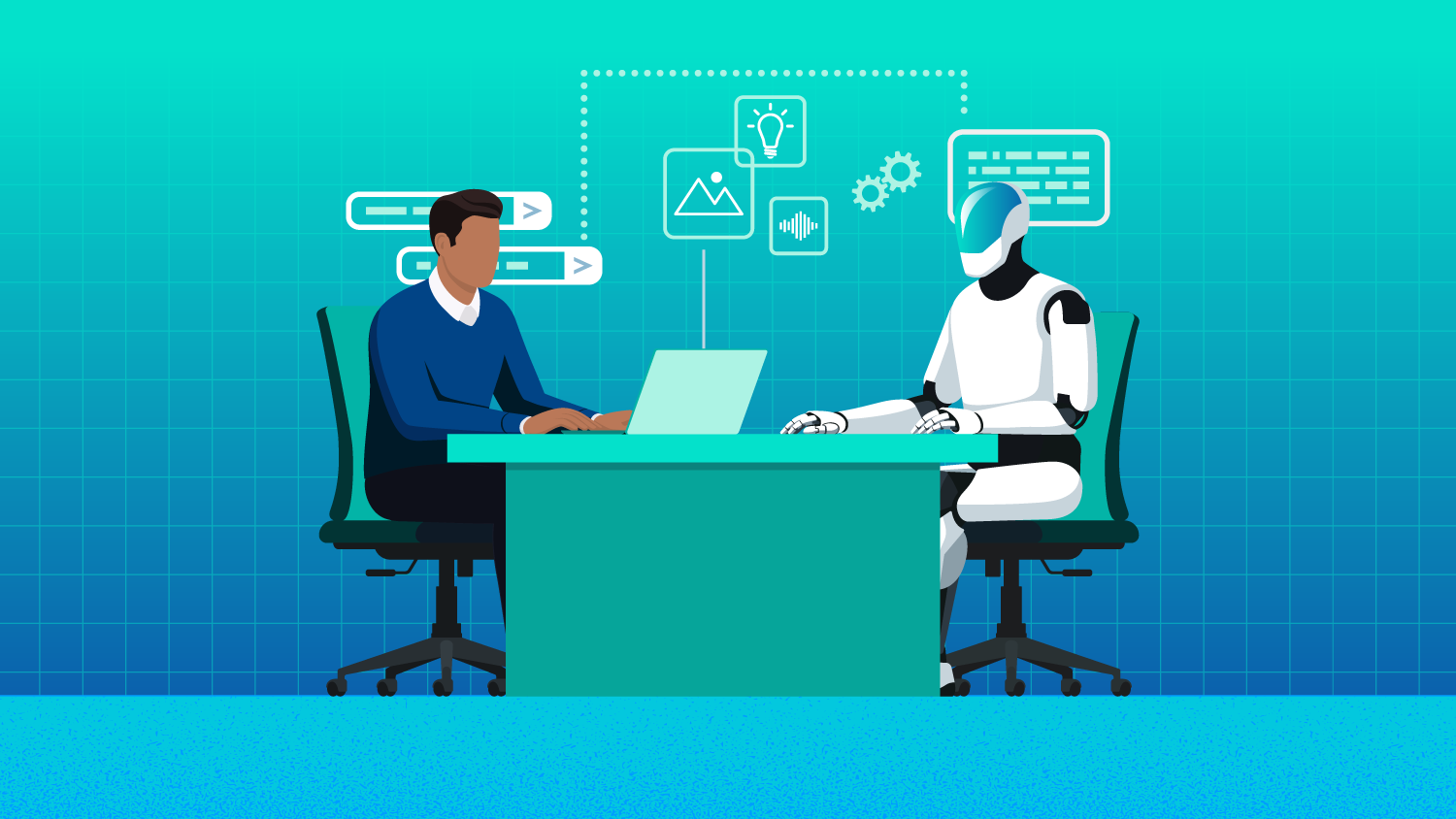
How this was written. Content Delta wrote this article with a language model from Salesforce Blog’s reporting (model: @cf/meta/llama-3.3-70b-instruct-fp8-fast); it describes that reporting rather than adding to it. The original, linked above, is the full story.
Key points from Salesforce Blog’s report
- Salesforce researchers are studying human-AI collaboration to understand how to help people thrive with AI
- Many experts resist passive AI use by engineering skepticism into their workflows
- Designing AI interactions that introduce productive friction can help strengthen human judgment and expertise
- Eight emerging practices have been identified to keep human expertise and judgment at the center of AI systems
- The goal is to create AI systems that strengthen human capabilities, rather than just automating tasks
Salesforce researchers are exploring the tension between using AI to enhance capabilities and preserving human expertise and judgment, according to Salesforce Blog. The study aims to understand how to design interactions with AI to make people better at what they do, rather than just increasing productivity.
The researchers interviewed 17 people at Salesforce across 11 jobs and conducted micro-interviews with 2,714 Salesforce Trailblazers at Dreamforce. They also reviewed 47 academic papers and analyzed over 3,000 real AI work samples to gain insights into human-AI collaboration.
One key theme that emerged from the study is that many experts resist passive AI use by engineering skepticism into their workflows. They expressed high trust in AI, but that trust was earned through deliberate routines and repeatable processes designed to steer and verify its outputs.
However, without meaningful oversight, AI can encourage passive acceptance rather than active judgment, leading to automation bias. This can result in people becoming overly reliant on automated outputs and recommendations, rather than using their own expertise and judgment.
To address this issue, the researchers suggest designing AI interactions that introduce productive friction, which actively strengthens human judgment, creativity, and expertise. This can be achieved by building verification into AI workflows, preserving independent thinking, and using AI to explore different perspectives and navigate complexity.
The study identified eight emerging practices for keeping human expertise and judgment at the center of AI systems. These include enabling the ability to apply human judgment where it matters, preserving independent thinking, and building verification into AI workflows.
By implementing these practices, people can stay meaningfully engaged with AI systems without relying on constant vigilance. The goal is to create AI systems that strengthen human capabilities, rather than just automating tasks, and to help people thrive with AI in the workplace.
Questions and answers
What is the goal of the Salesforce researchers' study on human-AI collaboration?
The goal is to understand how to help people thrive with AI, enabling creativity and expert judgment, and to create AI systems that strengthen human capabilities.
What is automation bias and how can it be addressed?
Automation bias occurs when people become overly reliant on automated outputs and recommendations, rather than using their own expertise and judgment. It can be addressed by designing AI interactions that introduce productive friction and building verification into AI workflows.
What are some emerging practices for keeping human expertise and judgment at the center of AI systems?
Eight emerging practices have been identified, including enabling the ability to apply human judgment where it matters, preserving independent thinking, and building verification into AI workflows.